Skip to content

Blog

What Timelines Can Miss

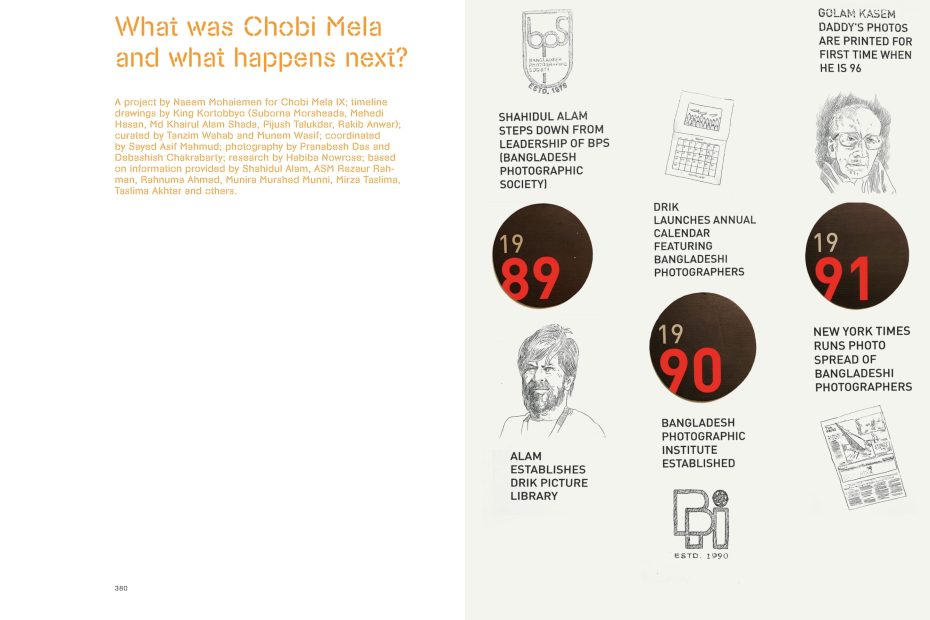
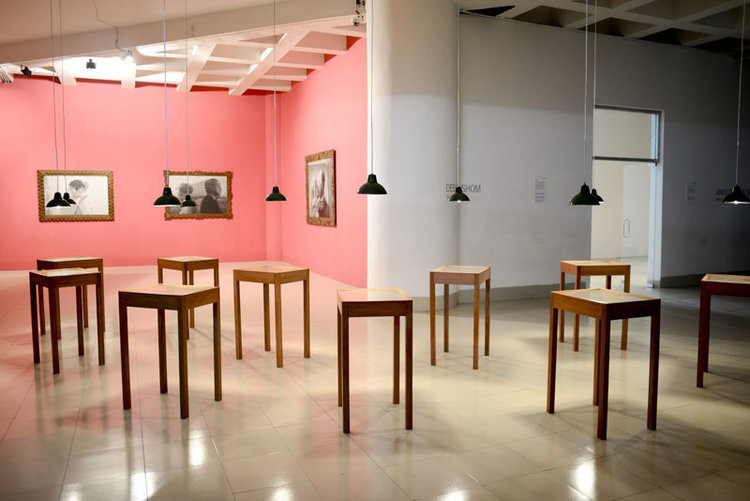
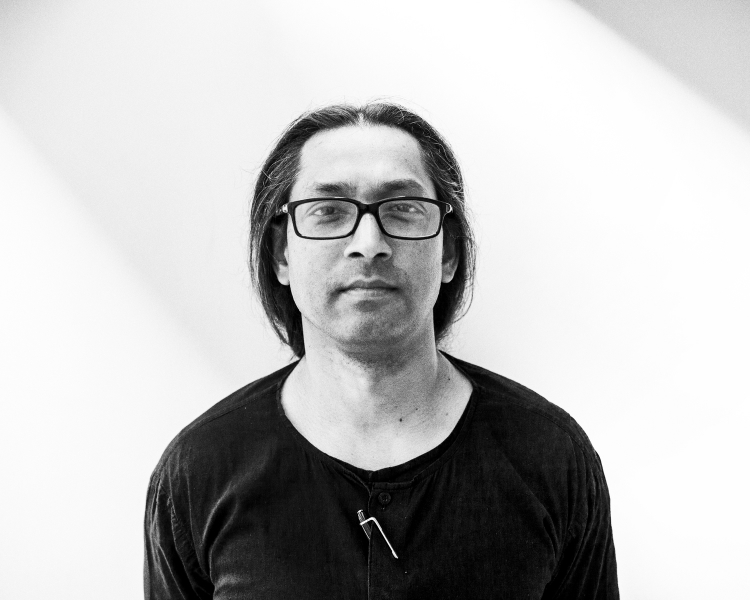
    The 2019 edition of Chobi Mela (on the eve of pandemic) premiered a project by Naeem Mohaiemen, “What Was Chobi Mela And What Comes Next.” Borrowing from the title of Katherine Verdery’s book What Was Socialism And What Comes Next (1996), the project mapped out a 20 year history of three interlinked trends– photography in Bangladesh, the rise of arts organizations, and the evolution of technology.

    শতবর্ষে আমানুল হক

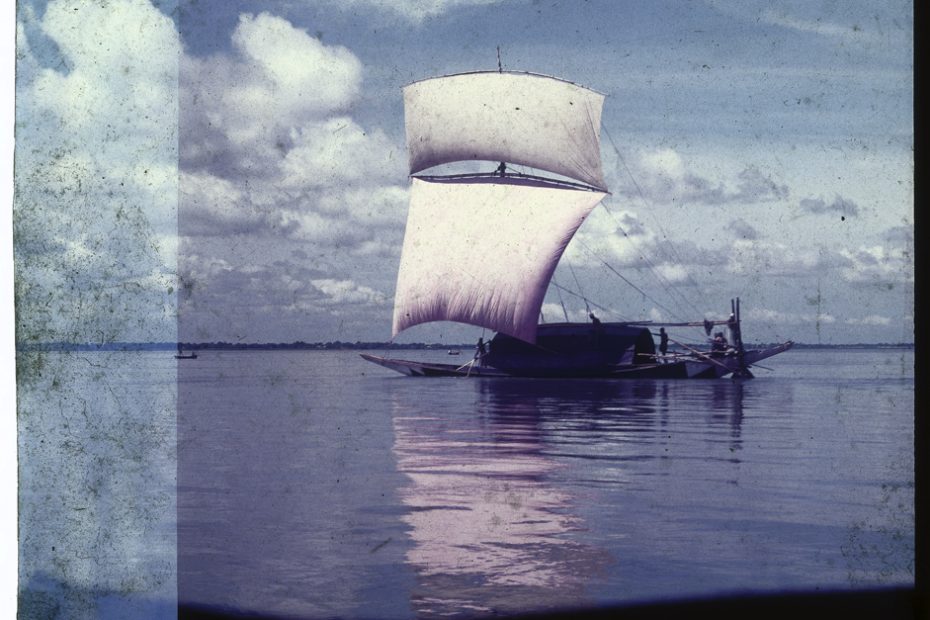
      যমুনার তীরে, একশ বছর আগে জন্ম আমানুল হকের। পথে-প্রান্তরে, নদী-নাওয়ে ঘুরে বাংলার জীবন ও প্রকৃতিকে তিনি পরম মমতায় ক্যামেরায় তুলে ধরেছেন। নদী, মানুষ আর প্রকৃতির নিবিড় সম্পর্কই ছিল তাঁর ধ্যান, যা তাঁকে বাংলার সৃজনশীল আলোকচিত্রের এক কিংবদন্তিতে পরিণত করেছে।

      সুজান ম্যাইসিলাস ও নিকারাগুয়া

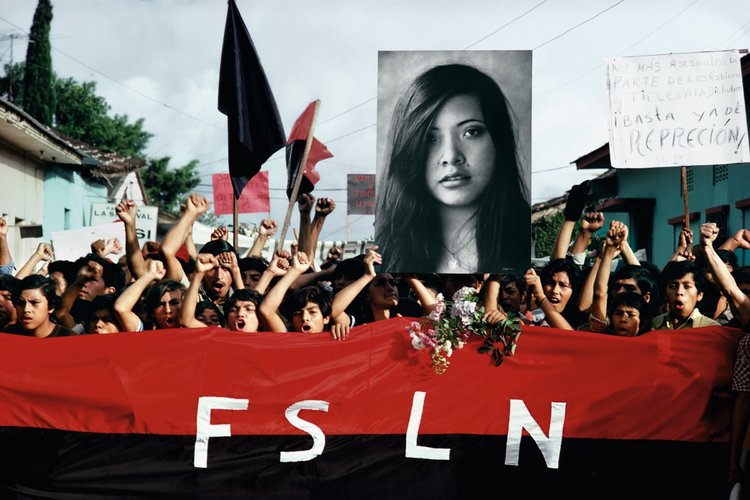
        ম্যাগনামের প্রখ্যাত আলোকচিত্রী সুজান ম্যাসাইলাস, যার নিকারাগুয়া বিপ্লবের কাজ ইতিহাসের এক অনবদ্য দলিল। কেবল সংবাদ দাতা নন, তিনি মানুষের সাথে গভীর সম্পর্ক গড়ে তোলেন, যা তার ‘রিফ্রেমিং হিস্ট্রি’ প্রকল্পে দৃশ্যমান। ছবি মেলা দশম আয়োজনে প্রদর্শিত তার কাজ নিয়ে এই লেখা, যা একজন আলোকচিত্রীর দায়বদ্ধতা ও যৌথতার গল্প বলে।

        Chobi mela X fellows to explore the homogeneity and dissonance of parallel expansion

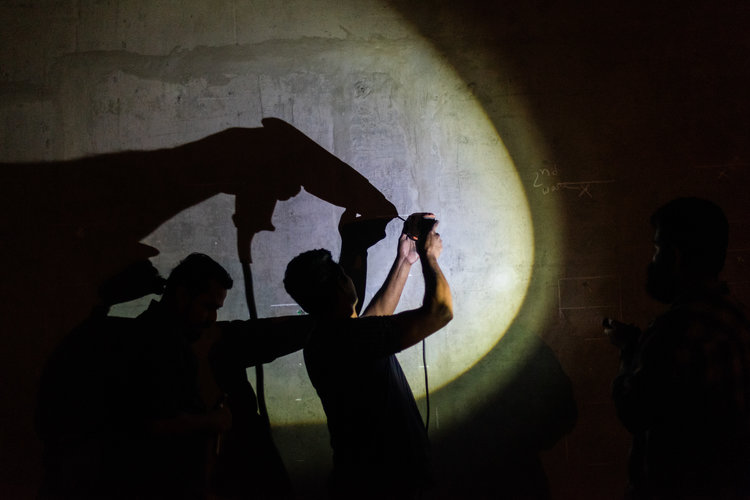
          Curated by Zihan Karim, Chobi Mela X’s Fellows program explores the theme “Place” through a “parallel universe” concept. Located in an under-construction building, artists from diverse backgrounds—including painting, video, and sound—create site-specific experimental works investigating complex realities like capitalism, identity, and mental states.

          The archivist and the editor

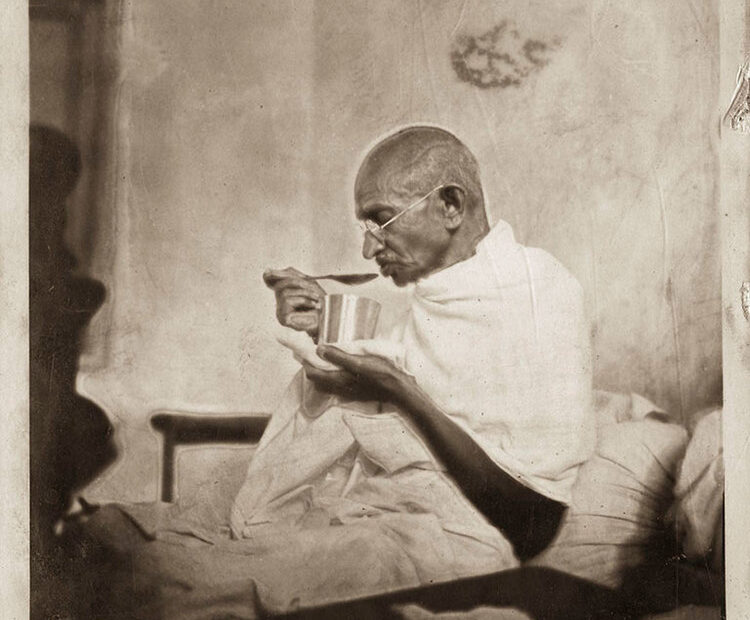
            Archivist Prashant Panjiar and editor Sanjeev Saith discuss “Kanu’s Gandhi,” chronicling the Mahatma’s final decade through his grandnephew’s lens. Saith highlights Kanu’s unique access, allowing for unconventional framing of Ashram life and political moments. The edit also brings Kasturba’s vital, supportive presence to the forefront of this historical narrative.

            Pushing the boundaries of the image with “Chobi mela fellows

              Chobi Mela IX introduces its first fellowship program, “Chobi Mela Fellows,” echoing the “Transition” theme and Bangladesh’s evolving art scene. This cross-disciplinary initiative invites ten artists from diverse fields to collaborate with curators, challenging photographic boundaries through experimentation. By merging photography with other mediums, the program aims to elevate photography’s status as an art form and contribute to the communal growth of Bangladeshi visual arts.

              An ever-widening gyre

                Curiosity drew me to Dhaka for Chobi Mela VIII, eager to explore Bangladesh’s surge in socially-engaged photography. Amidst the city’s chaotic vibrancy and political tension, the festival defied negative stereotypes. Rigorously global and non-Eurocentric, it saturated Dhaka with untold stories—celebrating photography in all its forms through powerful, diverse exhibitions.

                Shirin neshat: a soulful nomad in search of a home

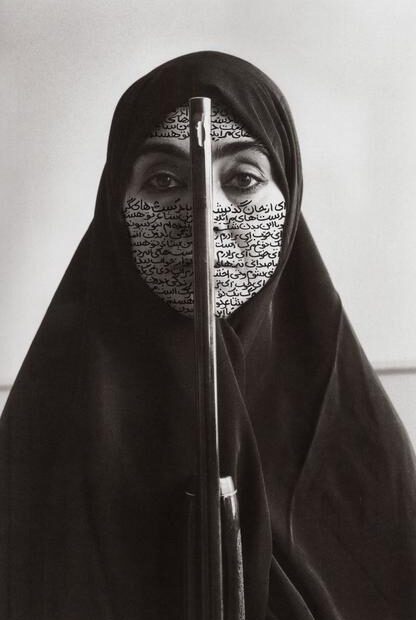
                  Shirin Neshat’s work, like “Women of Allah,” reflects a personal journey of “homecoming” to post-revolution Iran, blending politics with artistic expression. Through powerful imagery—veils, guns, and calligraphy—she critiques both the Iranian regime and Western perceptions. Her video installations, such as “Turbulent,” explore gender divides, while her feature film “Women without Men” delves into themes of oppression and transcendence, embodying her complex relationship with her homeland.

                  Bridging mediums: conversation between an architect and a photographer

                    Chobi Mela VIII collaborates with notable Bangladeshi architect Salauddin Ahmed as a guest curator, exploring the synergy between architecture and photography. Ahmed seeks to create immersive experiences, pushing audience engagement beyond traditional viewing. He embraces budget limitations as creative catalysts, designing unique spaces for artists like Michel Le Belhomme and Dinesh Abiram, fostering interdisciplinary dialogue in Bangladesh’s art scene.

                    What i’ll never forget

                      On the eve of his 2001 walima, the author rushed to Drik Gallery for the sudden relocation of the “1971 The War We Forgot” exhibition from the National Museum. Curated by Shahidul Alam and Robert Pledge, this highlight of Chobi Mela I featured rare Liberation War photos by world-renowned photojournalists. Government censorship attempts forced an overnight shift, executed by dedicated volunteers fueled by their passion for photography and history.

                      About Us

                      Chobi Mela, the first festival of photography in Asia, is one of the most exciting ventures that Drik and Pathshala has initiated. The first Chobi Mela – International Festival of Photography was held in December 2000 – January 2001. It is the most demographically inclusive photo festival in the world and is held every two years in Dhaka.