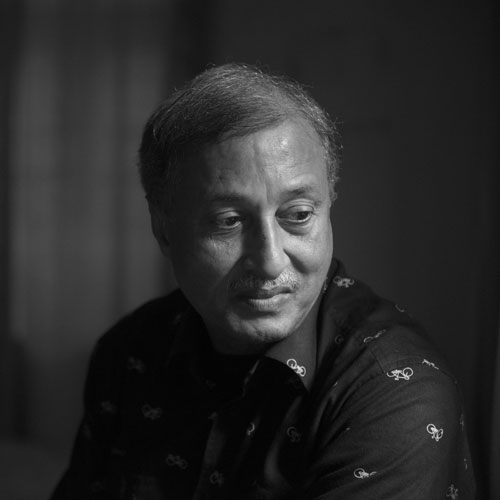
Interview with nasir ali mamun
Nasir Ali Mamun, one of Chobi Mela IX’s featured artists, is interviewed by Nabil Rahman. He talks about working through rejection, and the importance of persistence and how it is necessary in creative work.
Nasir Ali Mamun, one of Chobi Mela IX’s featured artists, is interviewed by Nabil Rahman. He talks about working through rejection, and the importance of persistence and how it is necessary in creative work.
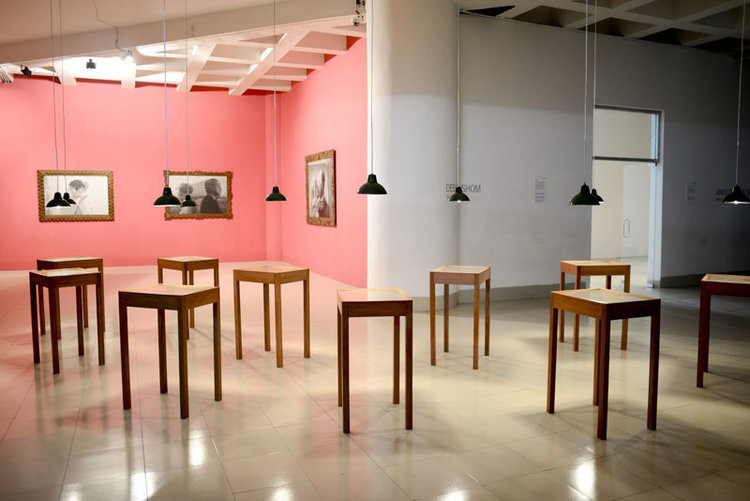
Curiosity drew me to Dhaka for Chobi Mela VIII, eager to explore Bangladesh’s surge in socially-engaged photography. Amidst the city’s chaotic vibrancy and political tension, the festival defied negative stereotypes. Rigorously global and non-Eurocentric, it saturated Dhaka with untold stories—celebrating photography in all its forms through powerful, diverse exhibitions.
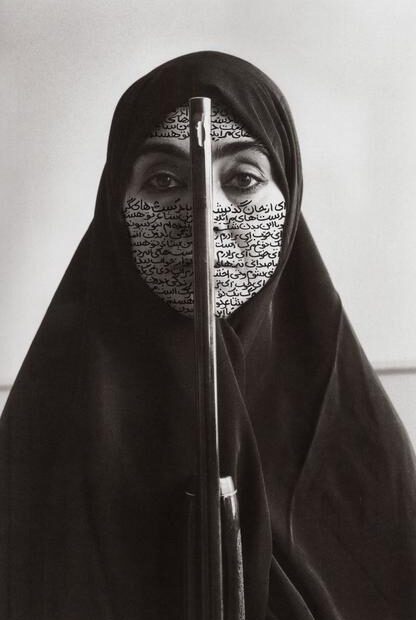
Shirin Neshat’s work, like “Women of Allah,” reflects a personal journey of “homecoming” to post-revolution Iran, blending politics with artistic expression. Through powerful imagery—veils, guns, and calligraphy—she critiques both the Iranian regime and Western perceptions. Her video installations, such as “Turbulent,” explore gender divides, while her feature film “Women without Men” delves into themes of oppression and transcendence, embodying her complex relationship with her homeland.
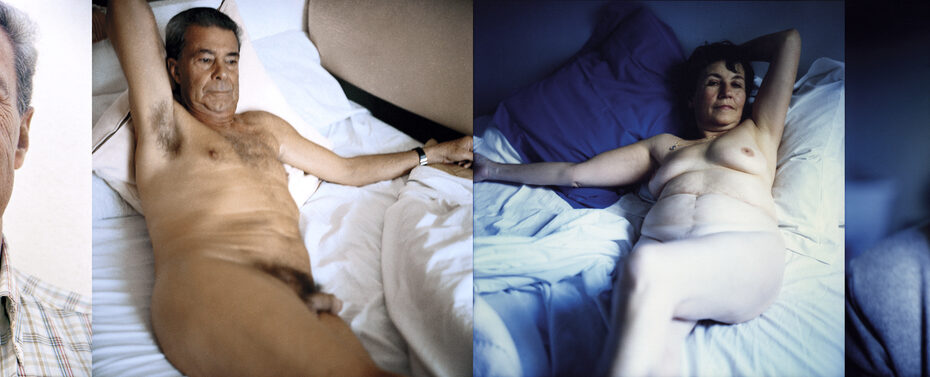
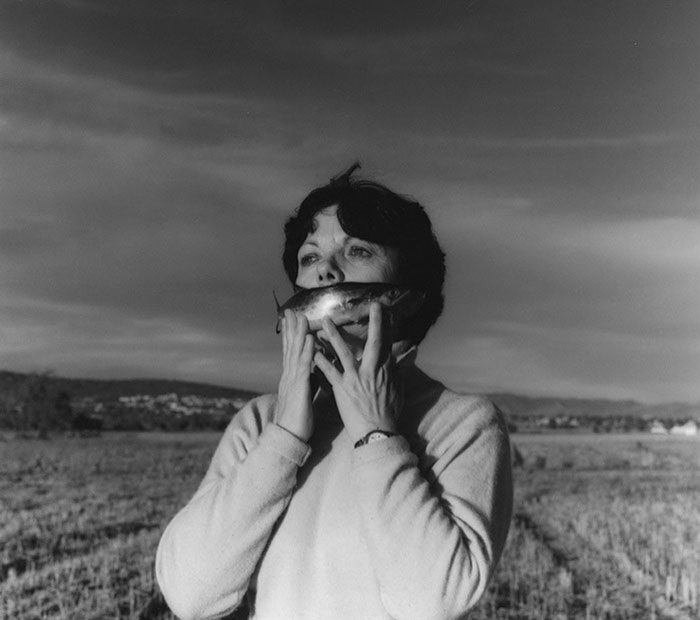
“We live in an age of selfies,” but Spanish photographer Cristina Nuñez delves deeper, using self-portraits as self-therapy. From heroin addiction and depression, she explored extreme emotions—rage, despair, terror, and euphoria—through photography. In conversation, she reveals how her “extreme life” connects to her rigid, fascist ancestry and how expressing vulnerability becomes a strength, transforming “shit into diamonds.” Differentiating self-portraits from curated selfies, Nuñez’s exhibition “But Beautiful” at Chobi Mela VII showcases her introspective journey, turning raw, human emotions into art.
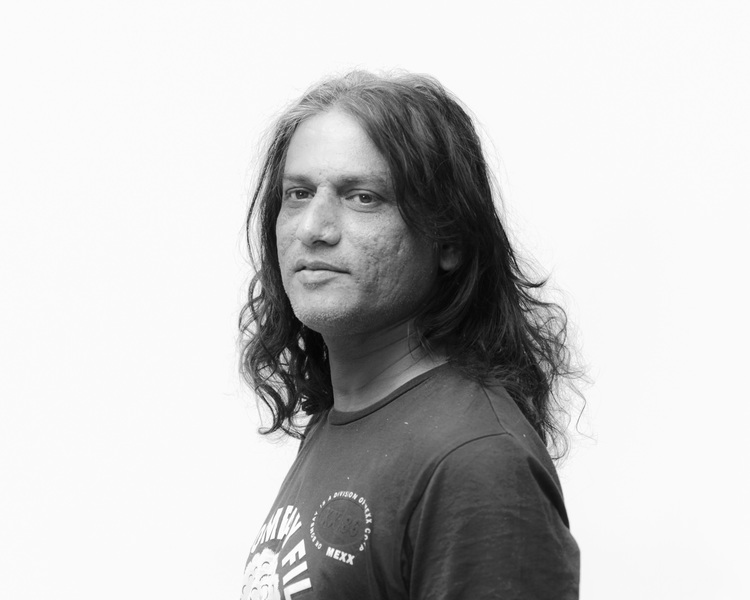
Britto Arts Trust’s Mahbubur Rahman, guest curator for Chobi Mela, infuses the traditionally medium-centric festival with a multidisciplinary approach. He champions immersive photographic installations that engage all senses, aiming for a psychological shift in viewers. Rahman curates contrasting exhibits by Abdollah Heidari and Alexandra Serrano at Britto, designing a journey of consecutive emotional shocks. He sees Chobi Mela bridging the gap between fine arts and photography, pushing boundaries with workshops and diverse media despite resource limitations.
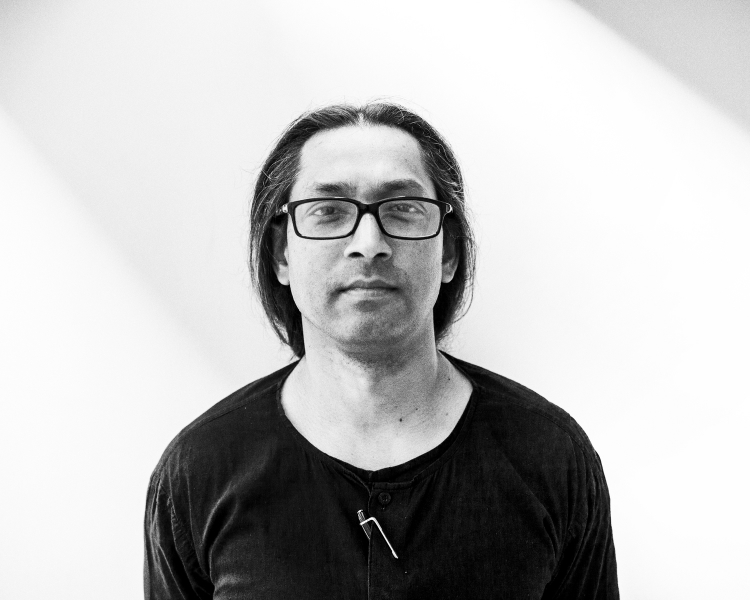
Chobi Mela VIII collaborates with notable Bangladeshi architect Salauddin Ahmed as a guest curator, exploring the synergy between architecture and photography. Ahmed seeks to create immersive experiences, pushing audience engagement beyond traditional viewing. He embraces budget limitations as creative catalysts, designing unique spaces for artists like Michel Le Belhomme and Dinesh Abiram, fostering interdisciplinary dialogue in Bangladesh’s art scene.
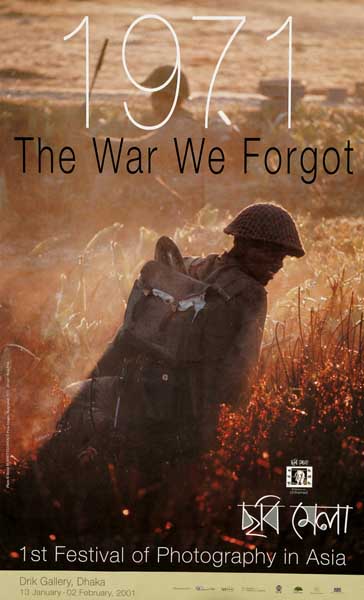
On the eve of his 2001 walima, the author rushed to Drik Gallery for the sudden relocation of the “1971 The War We Forgot” exhibition from the National Museum. Curated by Shahidul Alam and Robert Pledge, this highlight of Chobi Mela I featured rare Liberation War photos by world-renowned photojournalists. Government censorship attempts forced an overnight shift, executed by dedicated volunteers fueled by their passion for photography and history.
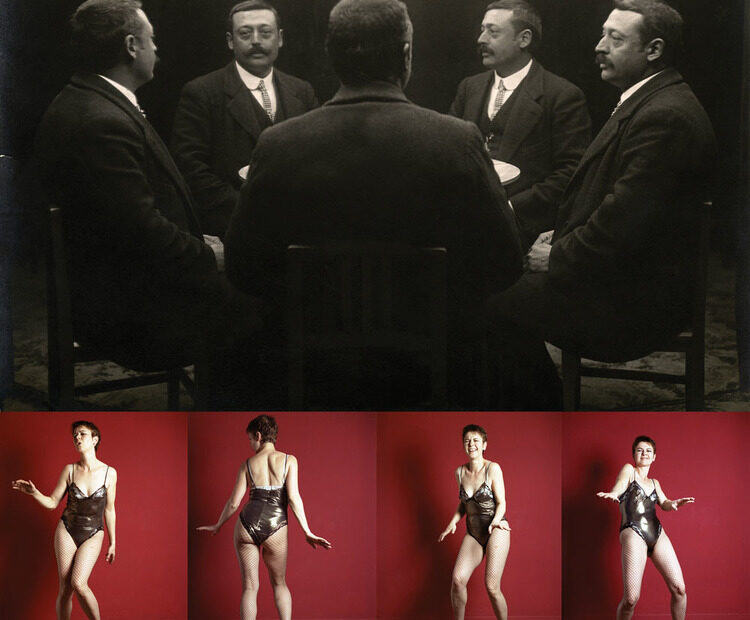
Renowned Spanish artist Cristina Nuñez brings her transformative “The Self-Portrait Experience®” to Chobi Mela VIII. Through her exhibition “But Beautiful” and a three-day workshop, Nuñez introduces her self-therapeutic method, empowering individuals to explore vulnerability, identity, and inner conflict, turning personal pain into powerful art.
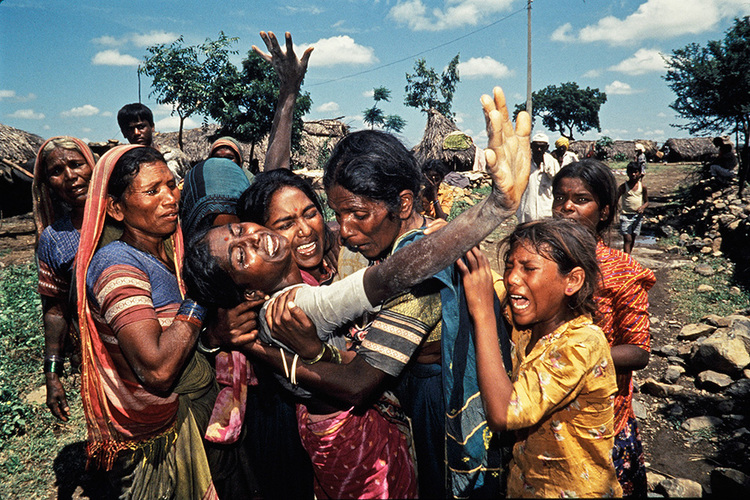
Swapan Parekh, a pioneering Indian photographer, bridges documentary aesthetics with advertising. A World Press Photo winner, his “celebration of the ordinary” has graced major museums like Tate Modern. At Chobi Mela, he’ll lead a three-day workshop on “Shaping A Vision,” focusing on intimate observation, breaking predetermined project molds, and mastering print quality.
Graciela Iturbide, a celebrated Mexican photographer, found her calling after tragedy. Interviewed by Munem Wasif for Chobi Mela VII, she discusses her intuitive, poetic style, influenced by her mentor Manuel Álvarez Bravo and travels. From intimate portraits to landscapes, her work explores life, death, and connection, revealing a deeply personal artistic journey.