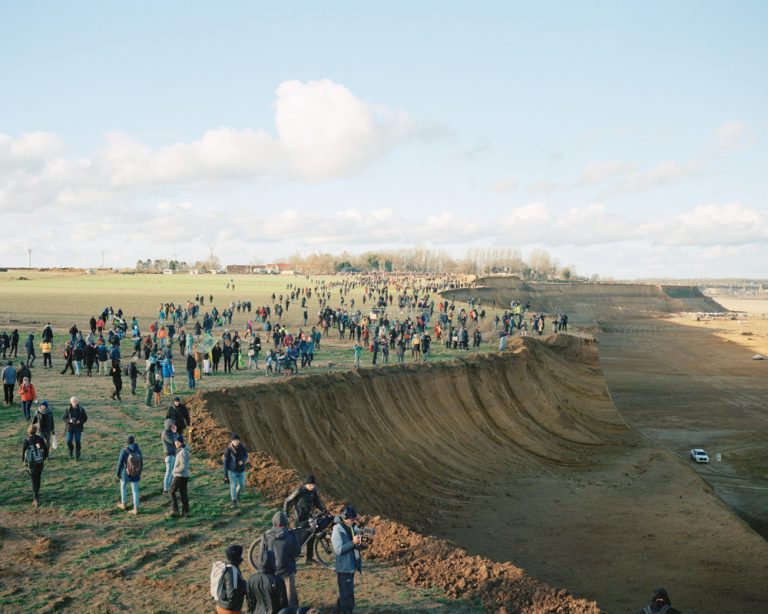
In the German Rhineland, people’s lives are marked by huge, slowly but steadily creeping holes that have already swallowed up fields, dozens of villages and entire forests. They are marked by their powerlessness in the face of an energy giant, which is rooted more deeply in the region than any tree in the resettlement sites. What does it feel like to look into these gaping holes and know: “Somewhere there was my home”?
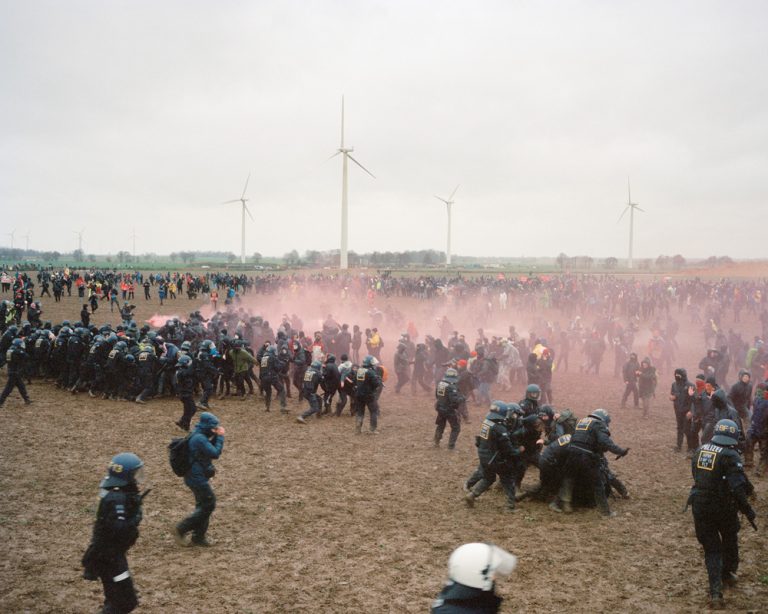
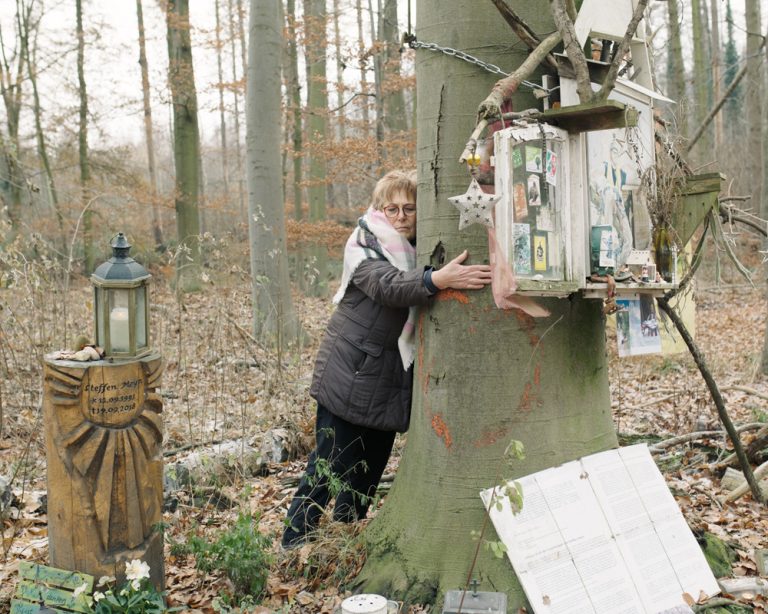
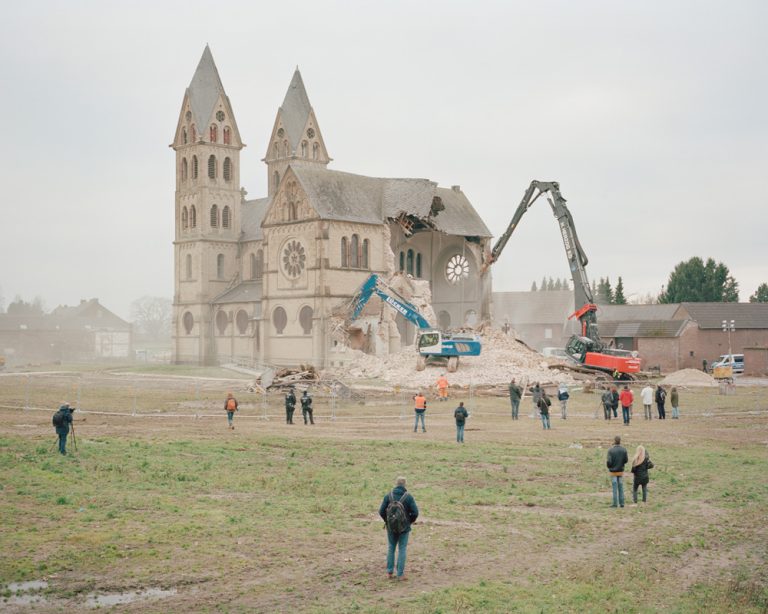
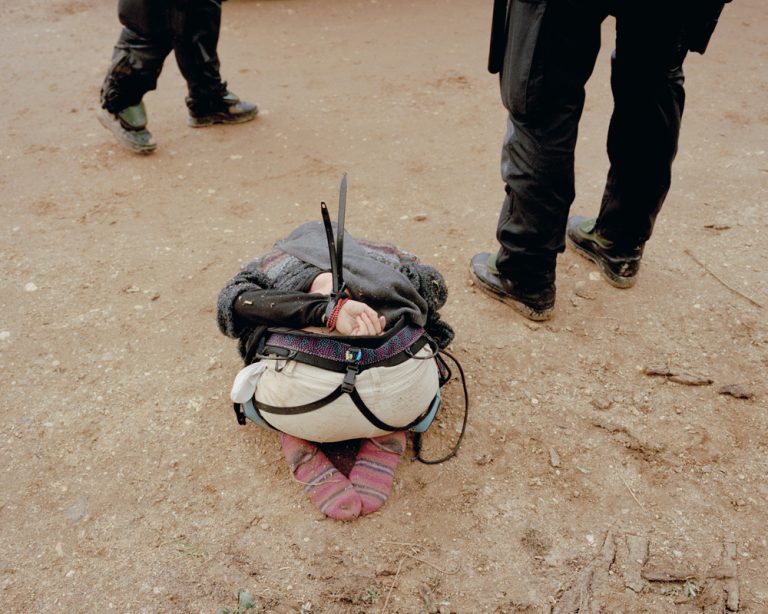
The project Niemandsland looks at the conflict over the extraction of brown coal by the energy company RWE, which operates the opencast mines Hambach, Garzweiler, and Inden. Together, they form the largest source of CO2 emissions in Europe. To enlarge the mines, fields had to give way, forests were cut down and entire villages destroyed and resettled. Since 2012, this has seen resistance by an environmental movement, starting with the occupation of the Hambach Forest by activists living there in tree houses to protect it from being cut. The conflict escalated in 2018 with the eviction of activists from the occupied forest.
Daniel documented this conflict to study the current struggle in Germany between environmental, public and economic interests. The work captures the beginning of the end of the coal era during a time of transition within energy production in Germany.
Daniel Chatard is a German-French documentary photographer and visual researcher based in Hamburg. His work explores power structures, collective identity, and trauma, treating landscapes as vessels of memory and situating human stories within their environmental context. Daniel describes his approach as involved documentary, making his own relations to his subject part of the work, and using collaboration to create new knowledge. His long-term project Niemandsland was awarded at the World Press Photo Award and published by the Eriskay Connection in 2024.
He studied Photojournalism and Documentary Photography at the University of Applied Sciences and Arts Hannover and Photography & Society at the Royal Academy of Arts, The Hague. Chatard works as a freelance photojournalist for Die ZEIT, Der Spiegel, and Bloomberg.