What compels the journey against the established cartographic order, whether for political dissidents or asylum seekers? Can lives lived, and kinships formed, along the border refuse the hostility that its structure imposes? Does mutation hold liberatory potential—when avatars break the siege or disobedient ecologies sprout to reveal connections across contested sites?
As we witness nation-states using the garb of self-defence to justify their takeover of the homelands of others, it is worth asking which transgressions are normalised. While State authorities treat their own citizens with suspicion and State agencies routinely violate the rights of people within their territories, individuals traversing national boundaries are often the ones seen as the imminent threat. Within this choreography of State power, the harshest punishments are reserved for those who dream of a life of dignity, within or beyond borders, constructed by a few powerful men.
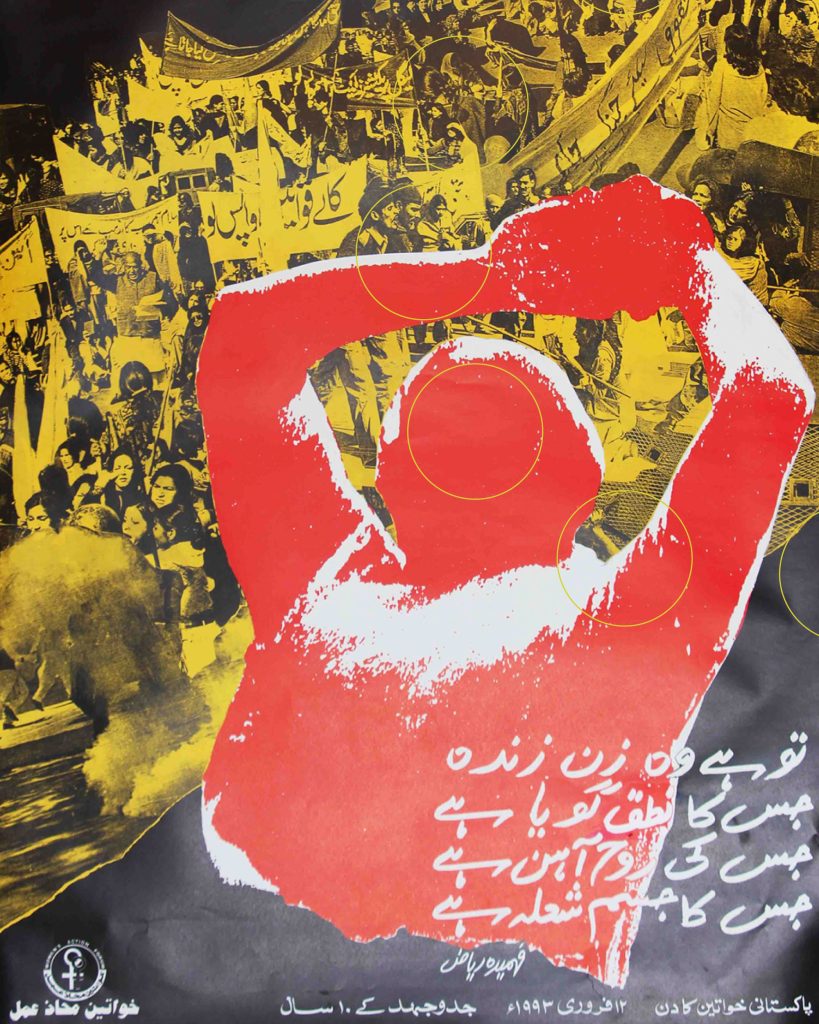
This selection of image-works presents a multiplicity of confrontations with border regimes. Their narratives offer possibilities—both real and imaginary—of crossovers, from escapes on horseback across the Zagros mountains in Iran to the March of Return in Gaza, from the women’s movement in Southasia to life along the Rio Bravo River in Mexico. They illustrate the potential of movement, of bodies and emancipatory ideas, that refuse containment.
By holding on to this impulse, we look to redefine the meaning of trespass across lines of control. In an era of unhindered violence, who determines the legality of one breach versus another? Who is the arbiter of language deciding the distinctions between a hostage and a political prisoner, an economic migrant and an illegal immigrant? What does it mean to gather—in rest and resistance—across, and despite, territorial confines?
As we look at these movements collectively,
we ask,
who has the right of passage?