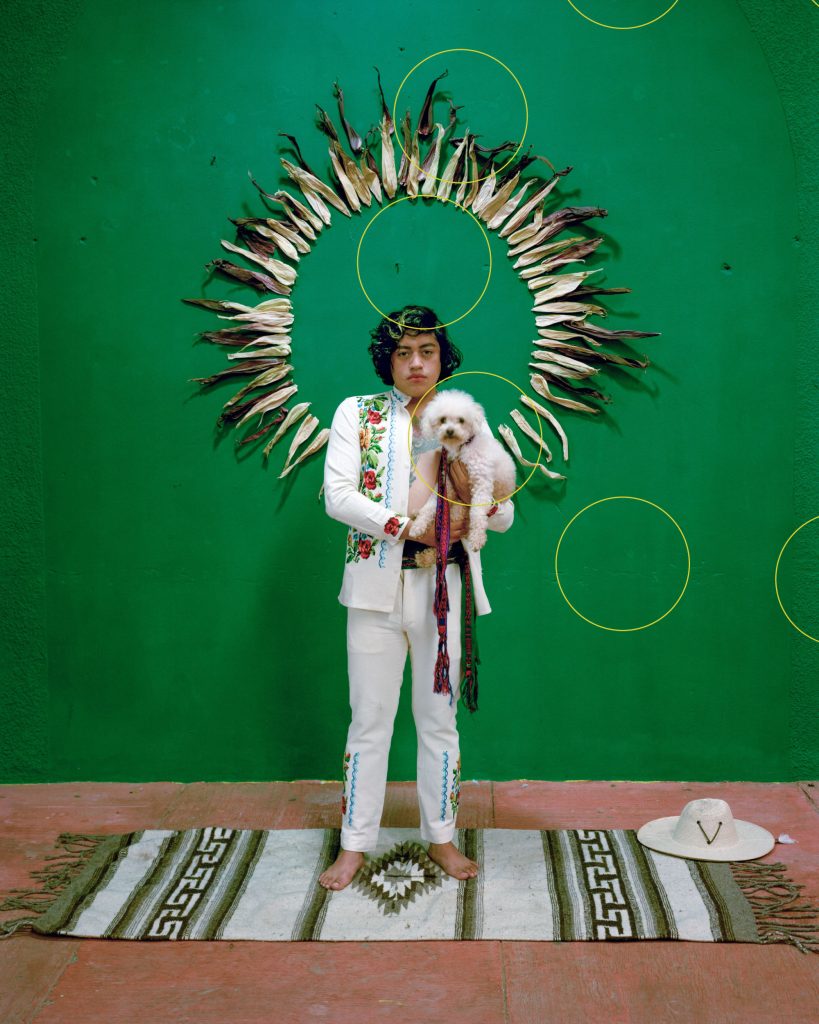
“Green wood, a cracked pot –
How shall I cook rice?
Mother Bonobibi,
Tell me what to do?”
– Munshi Mohammad Khater (Bonobibi Johuranama)
This pala, a Bengali folk song, rises like a tide from the edge of the Sundarban delta. In calling for Bonobibi, people seek not only safety but healing as well. This form of native knowledge is shaped by mud and mangrove, by the ancient memory of wind and water, of salt and soil. For many indigenous and local communities, the land is not something to possess but a relationship: with an elder, an ancestor. It is a living geography that remembers, speaks, and carries the stories of those who belong to it.
Modernity used to believe that nature and society could exist separately. That the world could be measured and managed in the name of progress and development. Yet, the earth has always refused this. Rivers overflow their boundaries. Forests burn. Winds struggle. Against ongoing displacement, artists and communities document both disappearance and endurance.
What we face today is not only a climate crisis. It is the unmasking of an illusion. The devastation is not only ecological but also cultural—the loss of songs, rituals, and ways of knowing that have sustained people for generations. Yet within the struggles for life, land, and belonging, another world begins to take form. Here, art-making becomes an act of remembering. It gathers the fragments of what has been lost while looking after what still exists through resistance, care, and imagination.
This exhibition unfolds at the crossroads where nature, culture, and capital meet. These works journey across the olive groves of Palestine, the coal-torn plains of the Rhineland, Karachi’s restless tides, the myths of the Mekong, and Dhaka’s last green space, PanthaKunja.
Each landscape tells a story of transformation: the living world turned into a commodity. Yet within these stories, renewal persists, and the lands and their people resist being erased. These works become meeting grounds across mediums, where the human and the material touch and transform one another. They do not merely document. They participate. They listen to where river meets soil, forest meets cartel, tree meets settler, and ask how we might reimagine these meetings as sites of healing.