We are its salt and its water.
We are its wound, but a wound that fights.
Sister, there are tears in my throat
and there is fire in my eyes:
I am free.
– Mahmud Darwish (Diary of a Palestinian Wound)
Through the act of writing about the wound, the poet reveals fragments of his time and society and imagines a future within the wound itself. A wounded voice speaks from the broken land, mourning loss and exile, yet affirming life, resistance, and the will to encounter. It extends beyond borders, suspending the present, dissolving beginnings and endings. In such temporal vacuums, artists reinvent their methodologies. They no longer document events from a distance. Through the medium of the wound, we glimpse a future grounded in resistance and re-imagining the world.
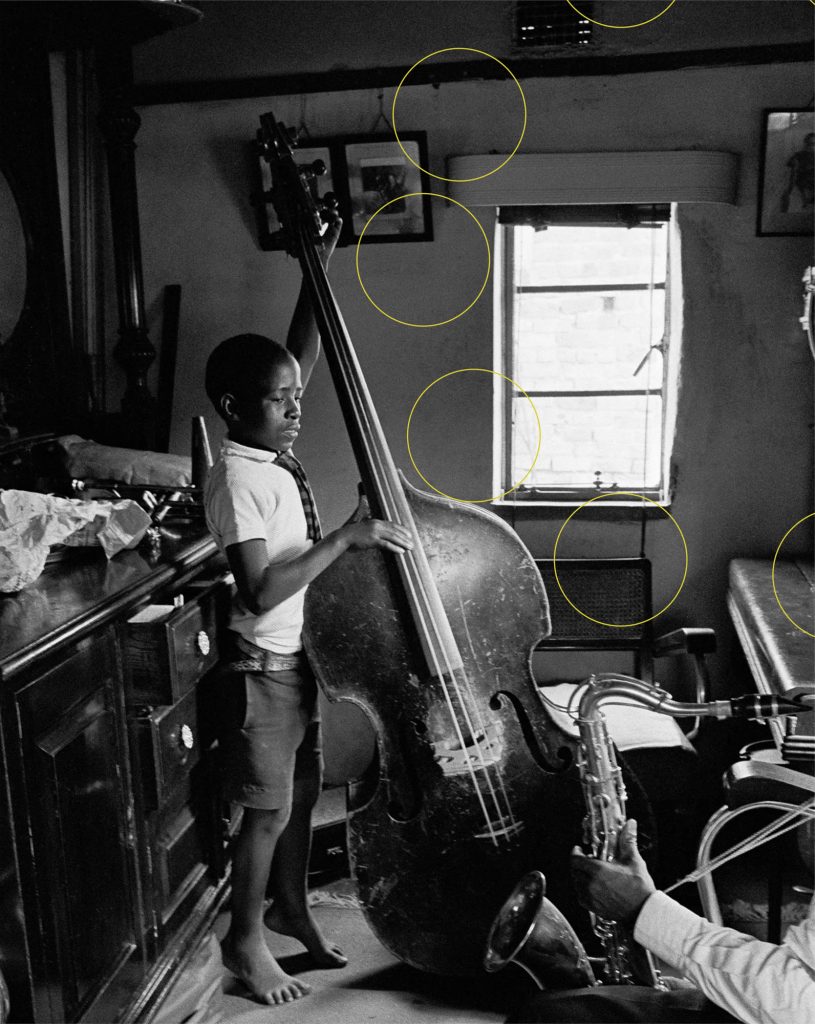
Image-making in times of rupture and conflict becomes an act of reopening the wound. It does not expose the wound for the sake of spectacle, but to attend to it, to make sense of its meaning together. The image that pixelates, the silence that remains undocumented, the body that records what cannot be shown: these offer a way of connecting to the invisible traces of violence, loss, and displacement.
Across the works gathered here, we encounter the displaced, the disappeared, the bodies that have witnessed migration and erasure. Through letters, memoirs, and never-ending nightmares, we trace the architecture of violence. These works are an invitation not only to grieve but also to connect with the languages of resistance and form ties of solidarity. These works invite us to assemble new forms of life. Not by searching for a lost origin, but by nurturing possibilities in the cracks. It asks how art practice can become care in times of disappearance. In playful forms, in performances that show what remains unseen, the body becomes a barricade. It celebrates its unimaginable freedom. Through storytelling, mutual aid, and collaborative practice, artists and communities tend to what has long remained broken. They refuse closure.