I dig a grave and drag out
My sunless past.
I see everyone’s history of drifting
I see lines of the helpless
Marching a head-bowed droopy-shouldered march
I see everyone’s history of floating away.
– Kazi Sharowar Hussain (I Dig a Grave)
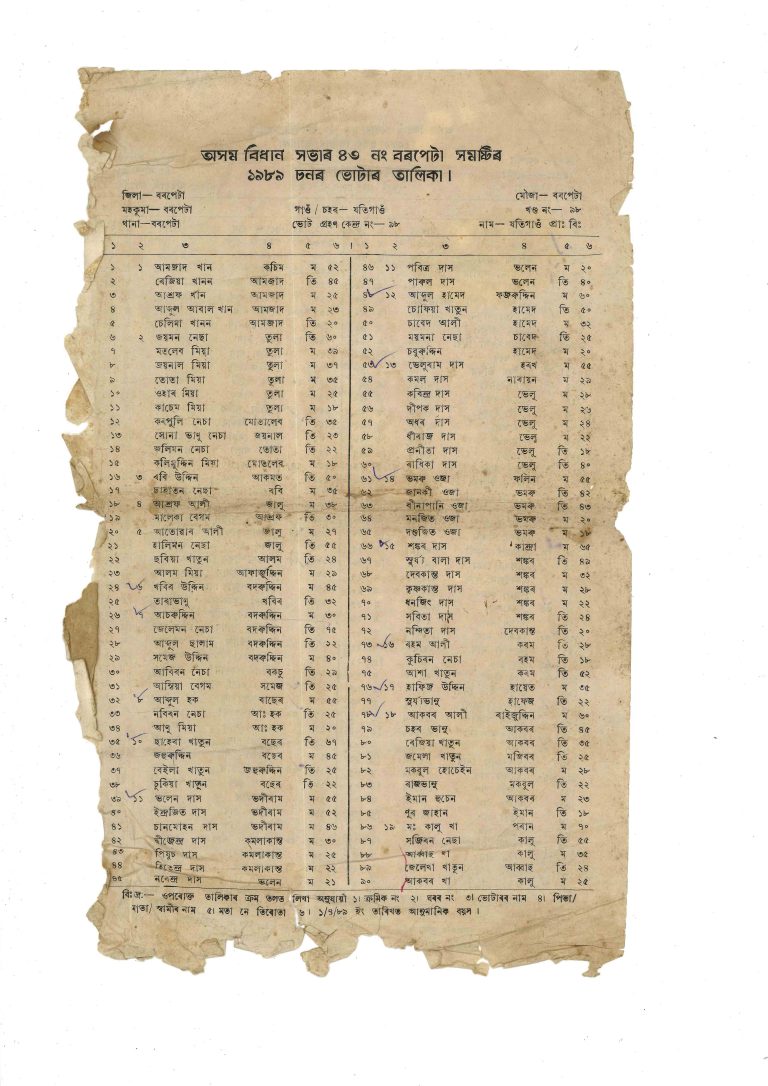
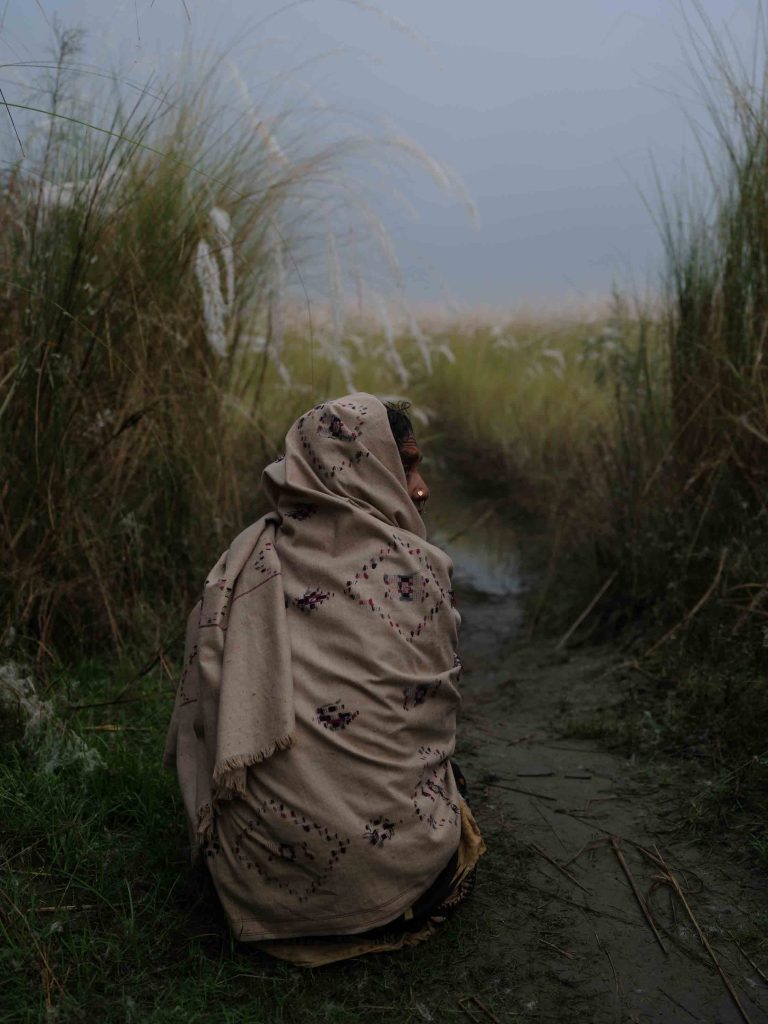
For centuries, waves of migration have flowed through Northeast India. During the colonial era, people from East Bengal journeyed to Assam, settling on the Char-Chaporis, the river’s restless islands. With support from landlords and the state, they tilled the land, sowing life into soil that could vanish overnight. Their homes, like their histories, were carried away by the currents. Yet they remained bound to the river. Out of this vulnerability rose a language of defiance: Miya Poetry.
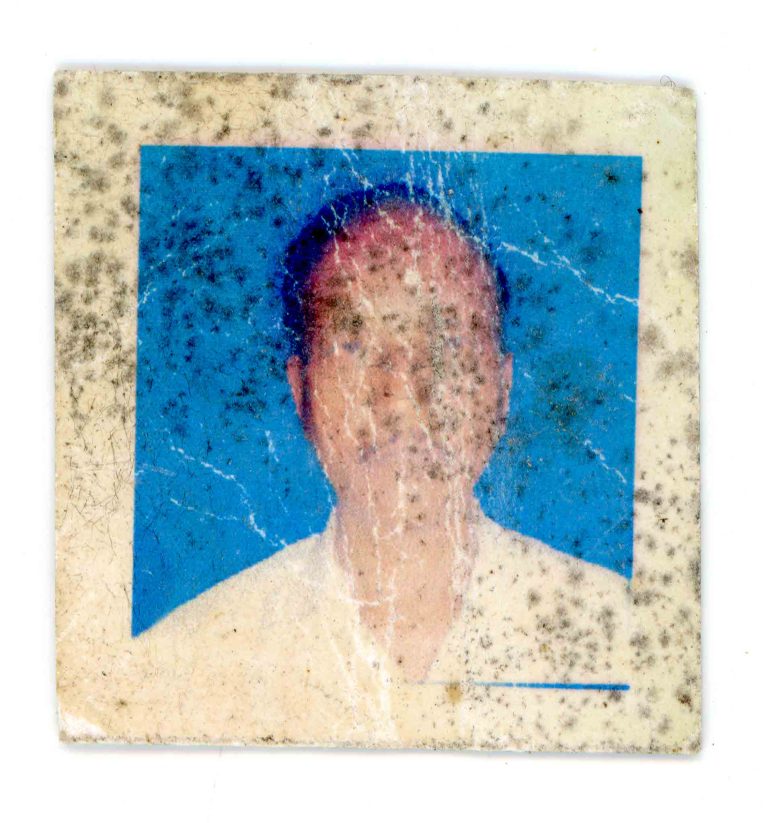
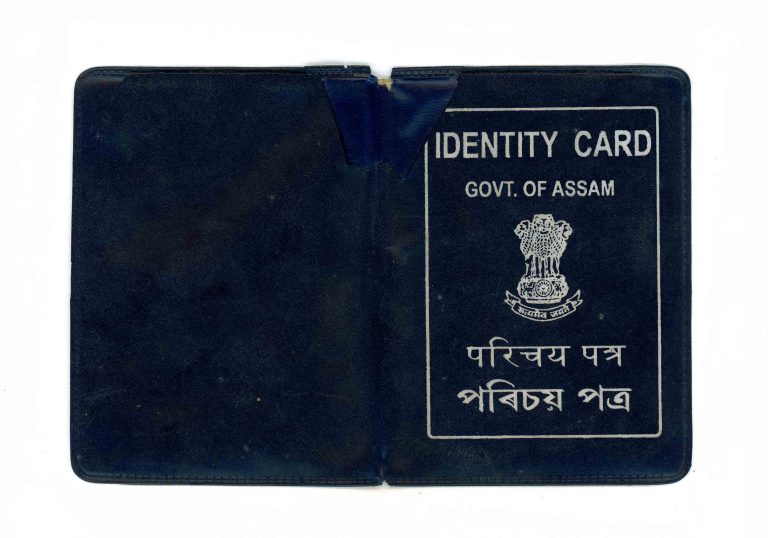
Bengal-origin Muslims are called by many names—Miya, Na-Asomiya, Charua, Pamua, Mainmansinghiya. Once “Miya” meant “gentleman” in Urdu. Now it is used as an insult—a reminder of discrimination, segregation, pressure to assimilate with mainstream Assamese culture, and repeated communal violence. Seen as intruders upon indigenous land, they have endured poverty, erosion, and exile.
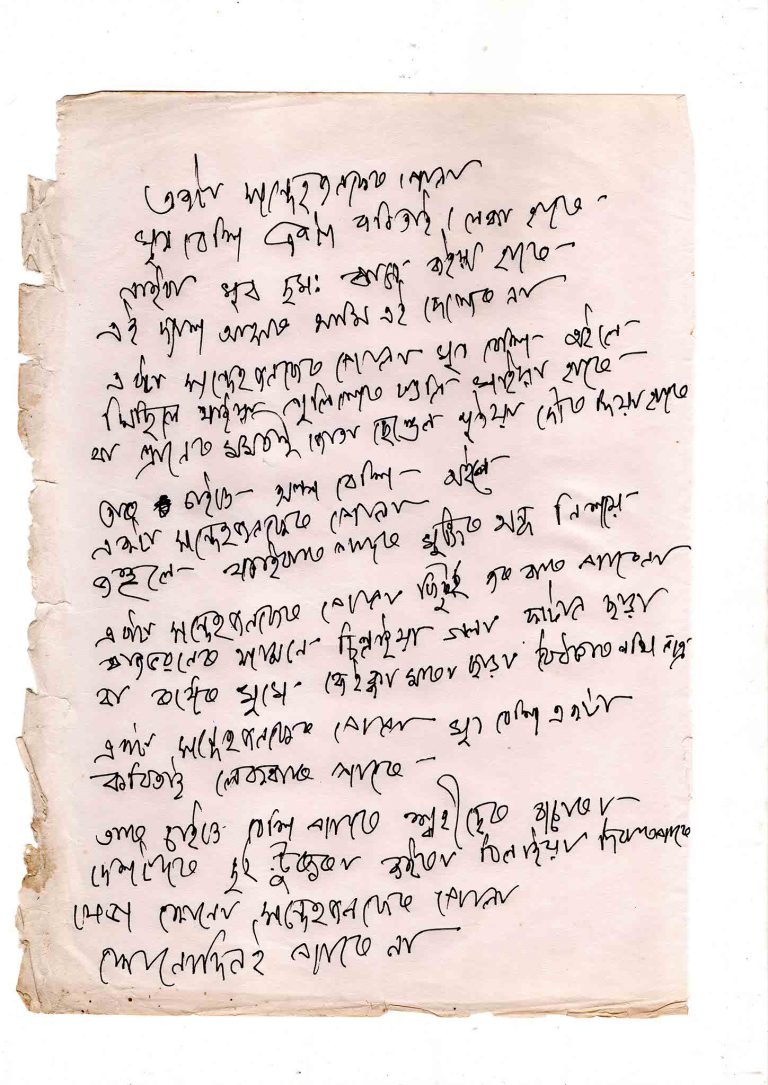
Since 2010s, poets from the Char-Chaporis have reclaimed the word “Miya.” Writing in a dialect that fuses Assamese and Bengali, they speak of land, loss, denied citizenship, and stubborn hope. Their poems drift across social media like boats on choppy water. They reimagine belonging as resistance, turning memory into song. In their verses, equality and freedom are not abstract ideals but the breath of a people refusing to disappear.
Kazi Sharowar Hussain is a poet, journalist, and cultural activist from Barpeta district, Assam India. He is a vocal advocate for the marginalized Miya Muslim community of Assam, using his work to highlight the citizenship struggle, identity, and representation of Miya culture. Kazi writes poetry in multiple languages, including Assamese, Bengali, and the Miya dialect. One of his early, widely-noticed poems, This Land Is Mine, but I Am Not of This Land, addresses the identity and citizenship struggles faced by his community.
Gitartha Goswami is a photographer living between Jorhat, Assam and Kolkata, West Bengal (India). Working in familiar spaces, his work explores uneven urbanities and their environmental and sociological impacts in post-colonial India. He completed a Diploma in Photojournalism at the Udaan School of Photography, Mumbai, in 2012.