Mosfiqur Rahman Johan
Bangladesh
Memories of Disappearance
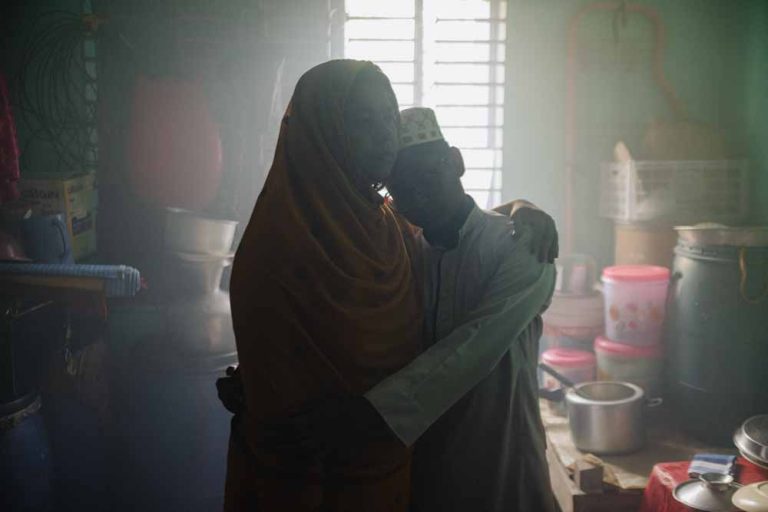
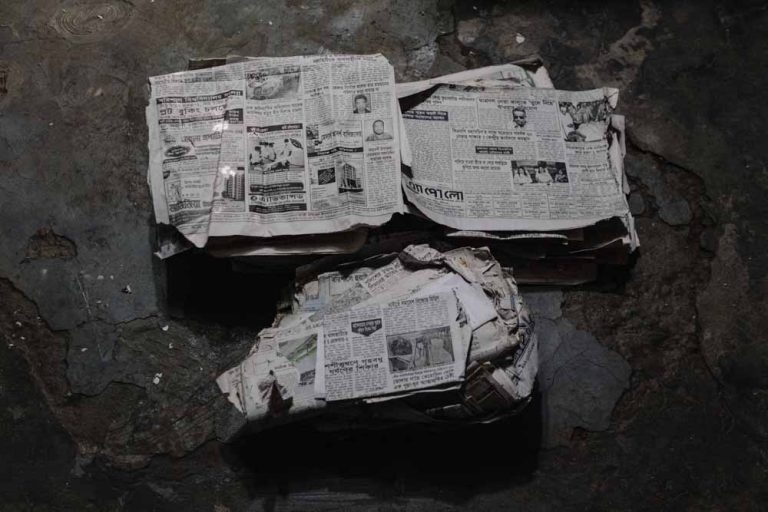
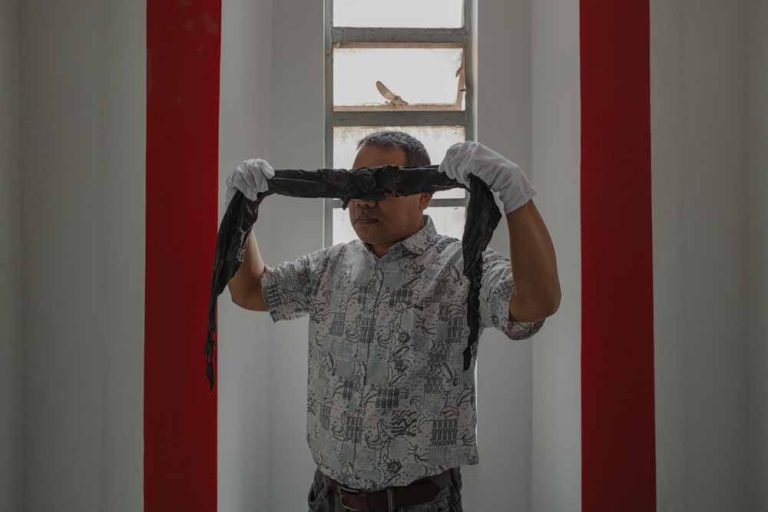
Memories of Disappearance looks at the rise of enforced disappearances in Bangladesh, placing these within the contexts of state violence, political control, and trauma caused by state-sanctioned erasure. The state’s security apparatus—particularly the police and the Rapid Action Battalion (RAB)—has systematically adopted militarised strategies aimed at suppressing political dissent and controlling opposition. These practices have led to the forced disappearance and extrajudicial killing of thousands of activists, journalists, students, and dissidents. Over 3,000 such cases were documented between 2009 and 2022.
Maayer Daak, founded in 2014, is a Bangladeshi grassroots platform advocating for justice for the victims of enforced disappearances (which are often attributed to law enforcement or security forces). Johan joined the platform in 2021 and witnessed how collective grief transforms into resistance. Victims who survive detention recount experiences of isolation, torture, and dehumanisation. Meanwhile, families are left in limbo, caught between hope and despair. For them, the lack of closure is an unending torment.
The aftermath of the July Uprising offers a unique lens through which to explore these dynamics. As political prisoners were released from secret detention centres, they brought with them stories of survival and resilience, providing crucial evidence of the state’s repressive mechanisms. These narratives have reignited public discourse on state accountability, human rights, and the need for justice in post-revolution Bangladesh.
Mosfiqur Rahman Johan is an anthropologist and documentary photographer based in Bangladesh. His work explores humanitarian, environmental, and socio-political realities across Bangladesh, combining ethnographic research and long-term immersion to build layered narratives of resistance, resilience, memory, and belonging.
Johan’s recent collaboration is with Maayer Daak — a collective for justice, where relatives of the disappeared come together to share grief, preserve the stories of their loved ones, and resist state violence. His projects address enforced disappearance, death penalty , displacement, police brutality, and environmental degradation through research-driven visual storytelling.
His visual journal reflects on the psychological impact of losing one’s space, challenging dominant discourses on state violence, gender, and development. His work has been exhibited, awarded, and featured internationally.