Felipe Romero Beltrán is a Colombian photographer based between Madrid, Spain, and Paris, France. His artistic endeavors are deeply rooted in exploring social issues, with a particular focus on the tension that arises from the introduction of new narratives within the realm of documentary photography.
Beltrán’s practice is characterized by its commitment to long-term projects, accompanied by research on the context of his work. Romero Beltrán pursued his academic journey with an interest in photography, culminating in a Ph.D in 2024.

Felipe Romero Beltrán
Colombia
Bravo / Dialect
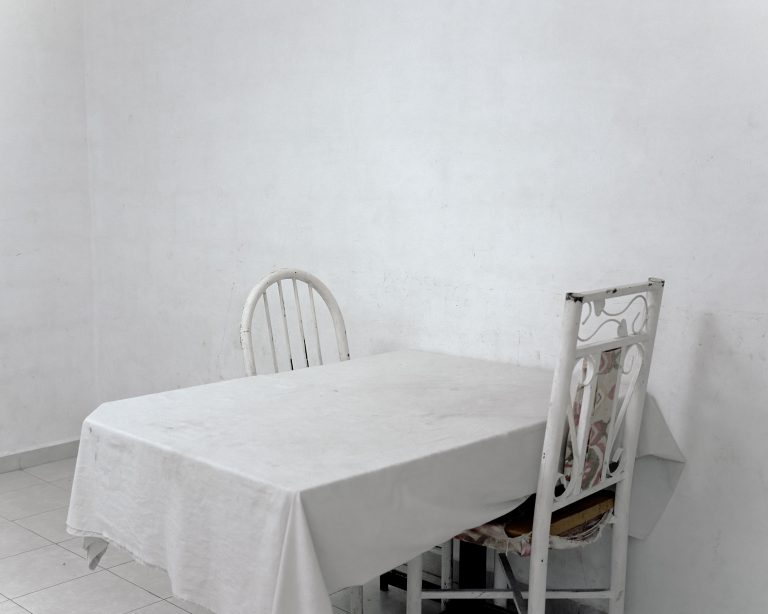
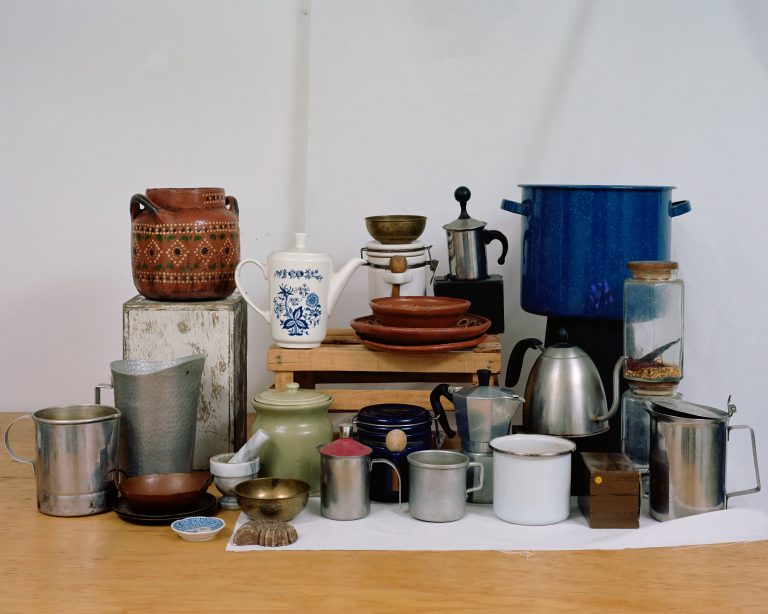
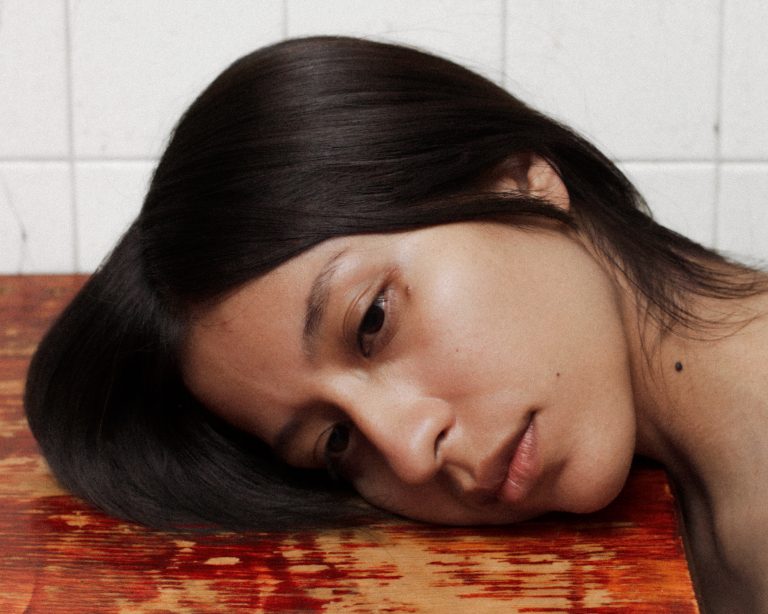
Bravo concerns itself with the lives that sustain along a site of tension—the 270-kilometre stretch from Monterey, Mexico till the United States border. It is a portrait of a place, and the people whose identities are marked by the shores of the Rio Bravo River, which runs through this stretch. Many arrive here in pursuit of a desire for a life without economic or political precarity beyond the borderline. Those photographed, however, are the ones that stayed—some still suspended in wait or others that reject the allure of the American Dream, embodying another kind of agency.
The trigger for Bravo emerged when Romero Beltrán arrived in Mexico to meet friends and family and had an intimate encounter—with echoes of Colombian music, with whiffs of food from back home and with the sonic register of accents that reminded him of his own. Chancing upon elements of his Colombian identity in Mexico was not incidental. It was a result of years of migrant flow from his homeland towards the US, which distilled into a cultural imprint just before the border. Following his instinct for staying with the familiar, Romero Beltrán began a four-year journey of exploring the transitional space before the crossing, photographing many from his generation and their younger family members that arrived here from various countries of Latin America.
In these parts it is the river, dividing the two nations, that is the primary conduit for the crossing. Unlike the harsh lines drawn on maps dividing territories, Rio Bravo is porous and in flow. This ambiguity at the border shapes the lives of those that live beside it, swim within it or navigate through it. And yet, it never appears in the frame. For the work, it defines how far the author or his protagonists could reach—here, Rio Bravo is the limit.
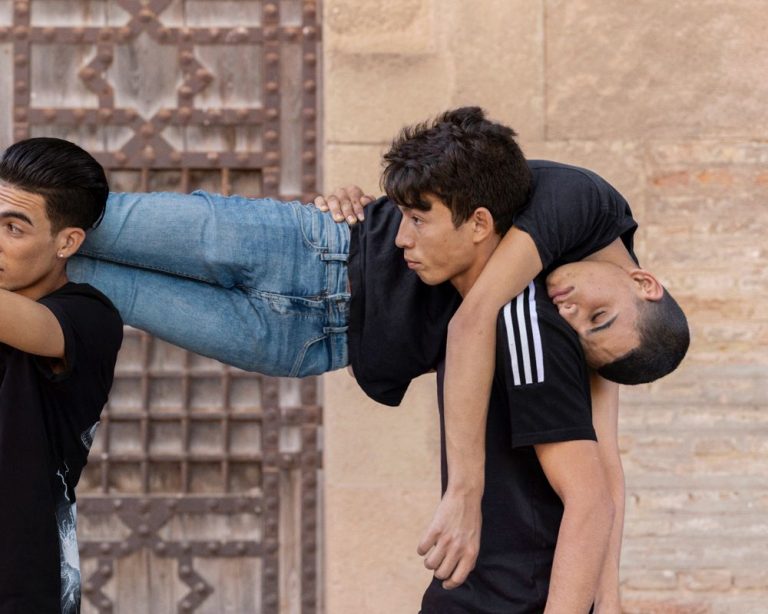
Dialect takes a close look at three years of state violence faced by nine young Moroccan migrants stuck in limbo in the Spanish legal system in Seville. When underage migrants enter the country illegally and cannot be verified as adults, their custody remains in the hands of the state. They have to endure a lengthy process to gain legal status.
In this state of suspension, the body becomes a metaphor: the weight of dead time is registered upon the shoulders of these young men. Beltrán creates a dialogue with their memories and journeys, and the humiliation and mundanity of waiting and migration. Combining video and choreographed dance, performance and documentary, Dialect takes a long, hard look at bureaucratic oppression.